A Step-by-Step Guide
Creating a well organised wedding timeline is not only crucial for the smooth running of your big day, but a carefully planned wedding timeline also ensures that your photographer can be in the right place at the right time, and more importantly, has enough time to capture every detail, resulting in stunning and memorable photos. In this post, we’ll guide you through the steps to create an effective wedding timeline that covers all the essential moments of your wedding.
1. Start with Your Wedding Schedule
Begin by outlining the overall schedule for your wedding day. This includes the ceremony, reception, and any other events you have planned. Understanding the timing of each event will help you slot in the photography sessions. The first step in crafting your wedding timeline is to map out the day’s major events.
Tip: Include buffer times in your schedule to account for any unexpected delays.
2. Plan for Getting Ready Shots
The getting-ready period is a great opportunity to capture candid and emotional moments. Plan for your photographer to arrive early to document both the bride and groom as they prepare. In your wedding timeline, allocate time for detailed shots of the dress, rings, and any special mementos.
Tip: Coordinate with your photographer to determine the best time to capture these moments without disrupting the flow of getting ready.
3. Schedule Pre-Ceremony Photos
Pre-ceremony photos, such as first looks, bridal party shots, and family portraits, are important for capturing the excitement before the ceremony. In your wedding timeline, schedule these photos to ensure they are completed before guests start arriving.
Tip: Consider doing a first look before the ceremony. This can be a private moment for you and your partner and also frees up time for more photos later.
4. Allocate Time for the Ceremony
The ceremony is the heart of your wedding day, and it’s important to capture every moment. Ensure your wedding timeline includes time for the entire ceremony, including the processional, vows, ring exchange, and recessional.
Tip: Check with your officiant about any restrictions on photography during the ceremony and inform your photographer in advance.
5. Plan for Post-Ceremony Photos
After the ceremony, there will be a flurry of activity. Schedule time for group photos with family and the bridal party. In your wedding timeline, allocate time for these shots to ensure everyone is included and the photos are organised.
Tip: Make a list of the group photos you want and share it with your photographer to streamline the process.
6. Schedule Reception Photos
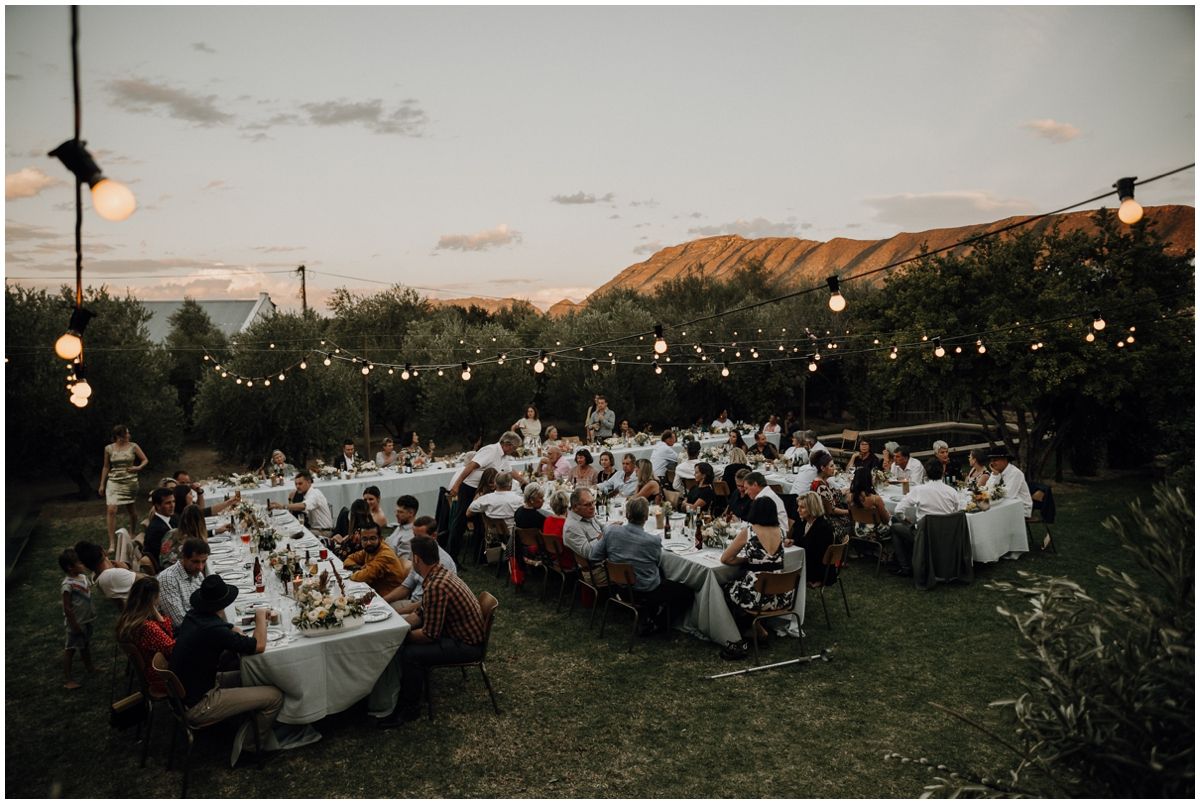
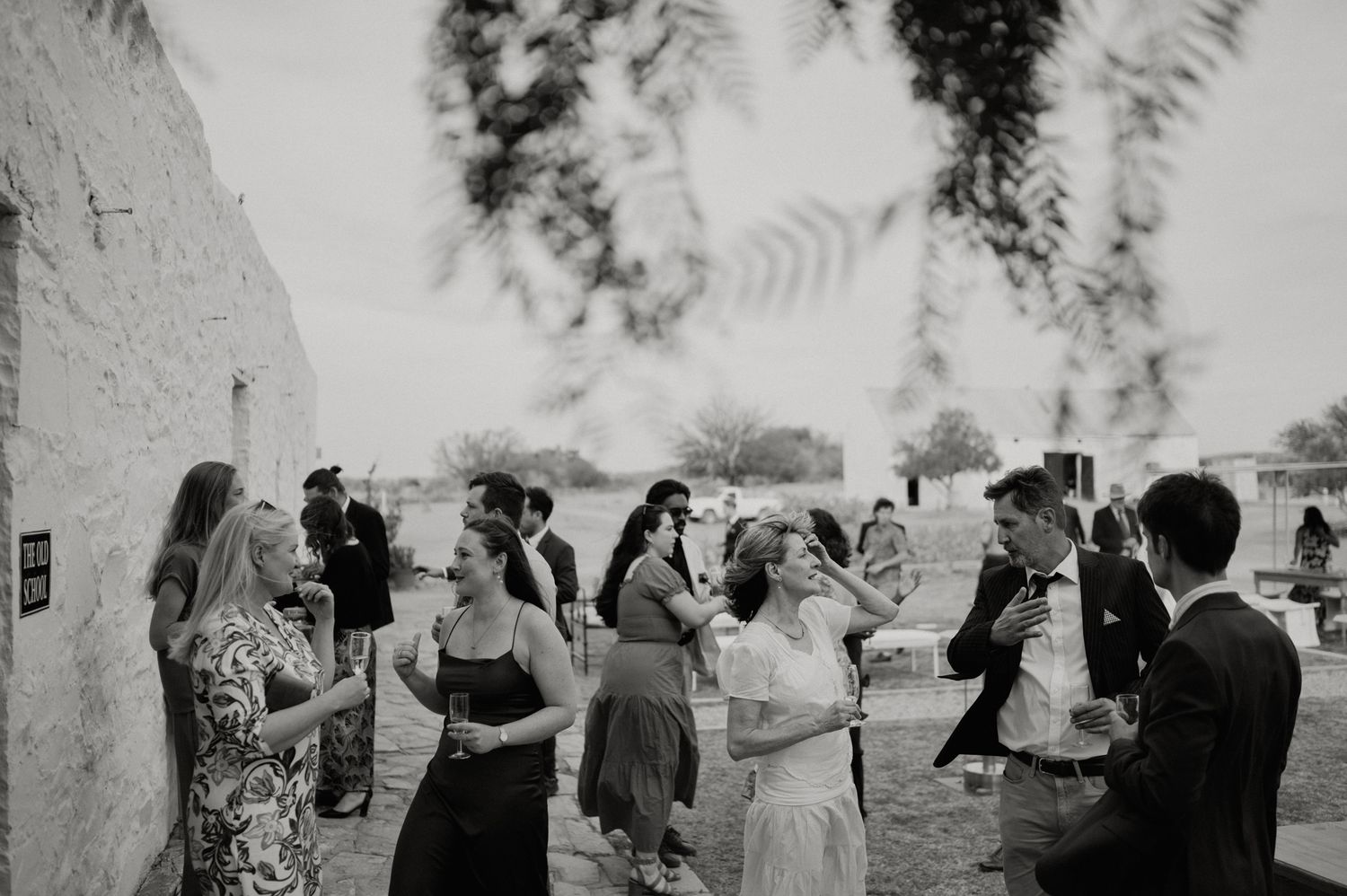
The reception is where the celebration truly comes alive. Your wedding timeline should include time for capturing key moments such as the grand entrance, first dance, toasts, and cake cutting. Ensure there’s enough time for candid shots of guests enjoying the evening.
Tip: Discuss with your photographer about any special events or surprises planned for the reception to make sure they are captured.
7. Consider Golden Hour Photos
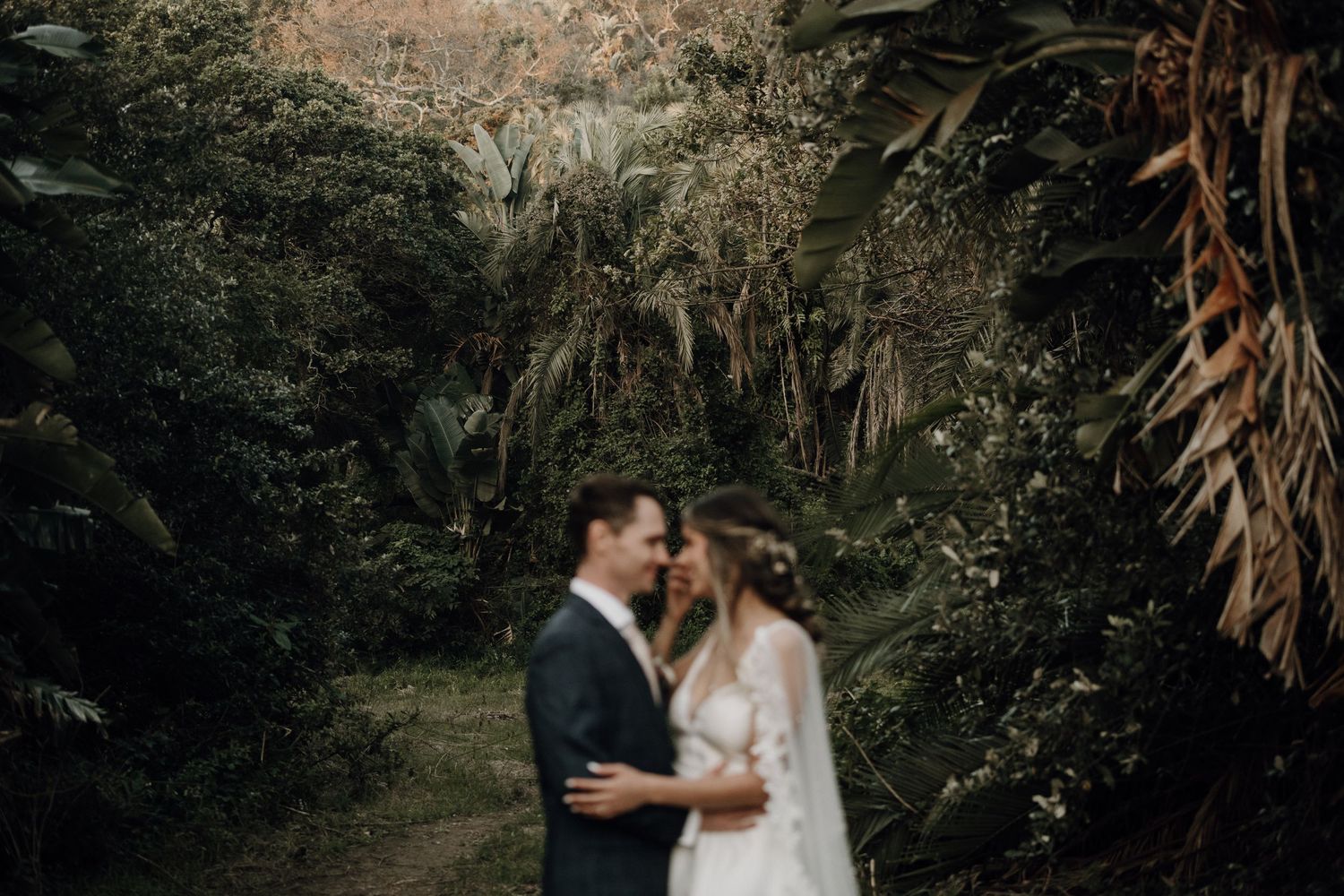
Golden hour—the time shortly before sunset—is ideal for stunning portraits with beautiful, natural lighting. If possible, include time in your timeline for a brief photo session during this magical time.
Tip: Check the time of sunset on your wedding day and plan accordingly to make the most of this golden lighting.
8. Allow for Flexibility
Even with the best planning, things can change. Build some flexibility into your timeline to accommodate any unexpected delays or changes in plans. This will help keep things stress-free and allow your photographer to adapt as needed.
Tip: Communicate any last-minute changes to your photographer as soon as possible to adjust the schedule.
Do you need assistance with your wedding timeline?
We’re here to help make your wedding photography experience as smooth and memorable as possible, so reach out if you want to ensure your day is captured as seamlessly as possible.